Sound familiar?Toronto
- The call
- The whole key ring went missing somewhere between the grocery store and the bus. You got back in with the spare, but a set of keys is out there, and you would sleep better knowing they open nothing.
Three months of renovation are finally done. The kitchen looks wonderful, and along the way a general contractor, a tile installer, a plumber and an electrician each carried a key to your front door at one point or another.
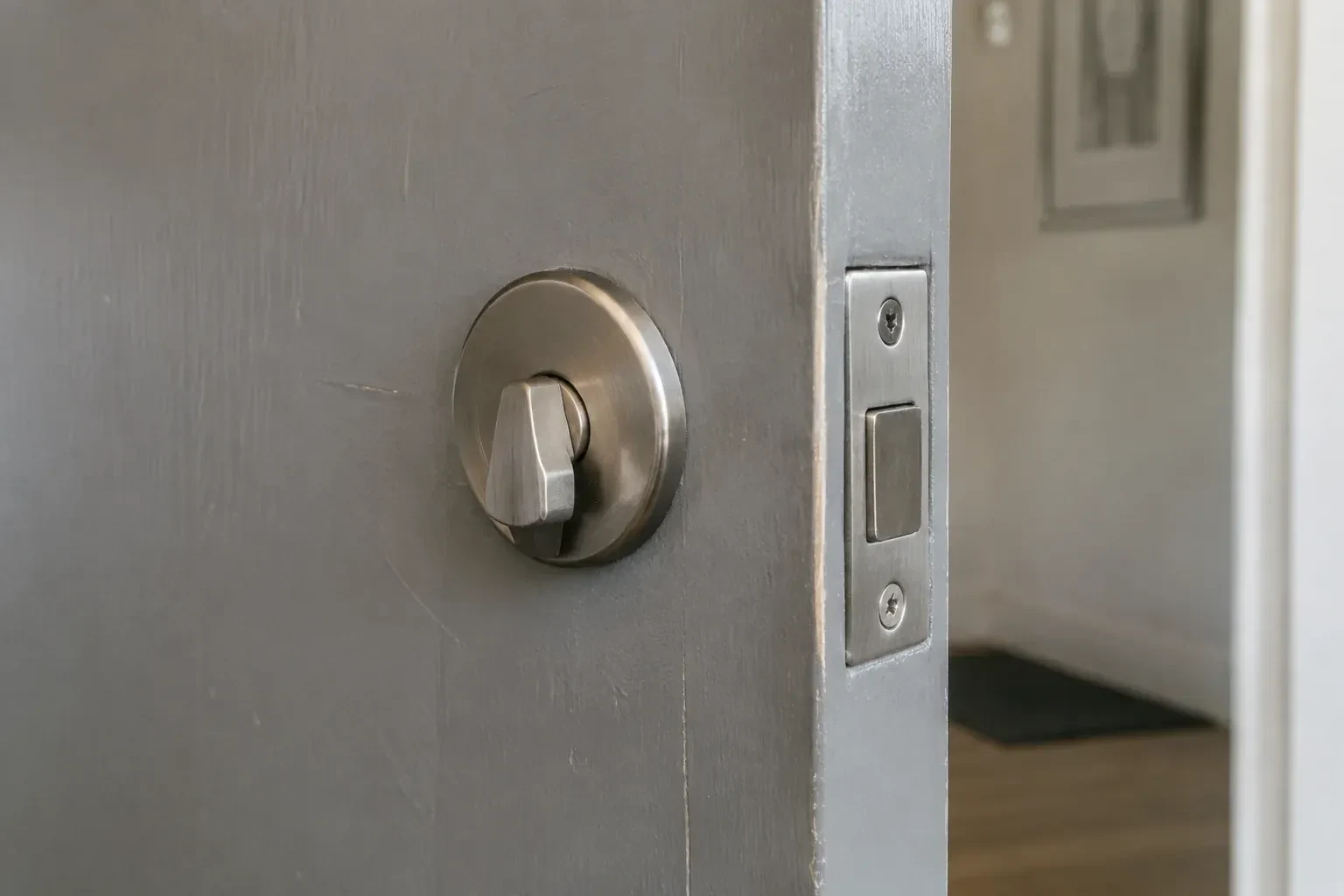
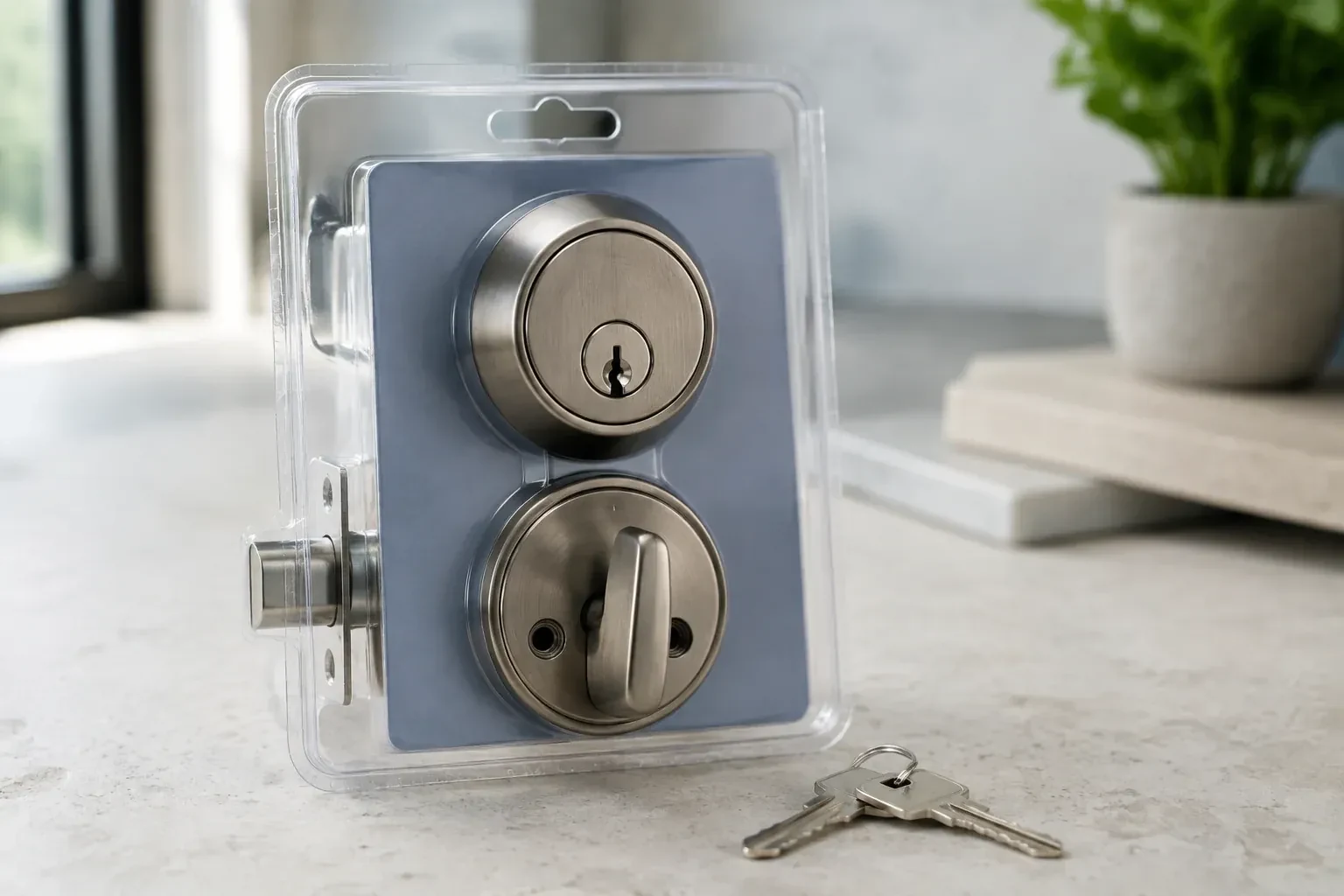
What you keep after rekeying is almost everything. The deadbolt, the handle set, the finish that matches your door hardware, the strike plate and the holes in the door all stay exactly where they are, which matters on an older door where new hardware rarely lines up with old mortises. What changes is a handful of brass pins a few millimetres long inside each cylinder, and the key in your pocket. The work is done on site, one cylinder at a time, so the house is never left with an unsecured door, and worn springs or a sticky plug can be dealt with while the cylinder is already apart.
Sound familiar?Toronto
Lock Rekeying · Toronto
Scene 1
A few openings around a home are not the occupant's to change, and sorting them out early avoids awkwardness later. In a condominium, the lobby, the garage, the locker room and the mailroom are the corporation's doors, and the suite door itself may need to remain on a system the building can access in an emergency. In a rental, the landlord has a say and must be given a key. A shared side entrance in a semi-detached or a duplex serves two households. The locksmith asks about each of these, confirms who needs to agree, and keeps them separate from the doors that are plainly yours.
Scene 2
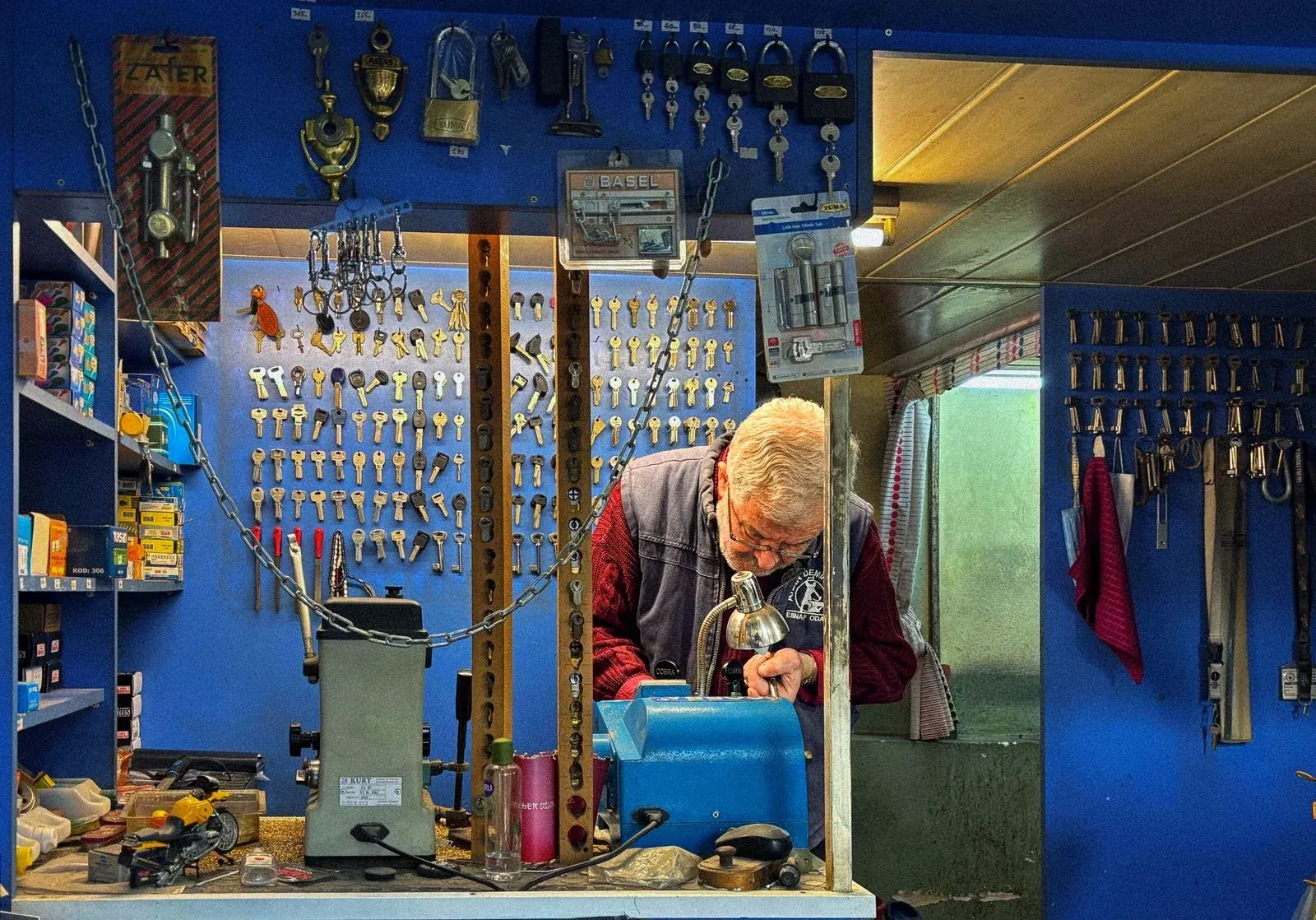
With the cylinder in hand, the locksmith removes the cam or tailpiece from the back, inserts the existing key and turns the plug slightly so the top pins clear, then pushes a plug follower in behind the plug as it slides out. The follower holds the top pins and springs in the housing so nothing springs loose. The plug now sits on the bench with its row of bottom pins exposed, and those pins are tipped out. This is the heart of rekeying a pin-tumbler cylinder: the pins that decided which key worked are gone, and the plug is ready to receive a set that matches a key nobody has ever carried.
Scene 3
A short record closes the job: which doors were rekeyed, whether any cylinder was replaced, how many keys were issued and to whom, and any door that was deliberately kept on its own key. For a homeowner it is a line in the house file that answers the question, years from now, of which key opens what. For a landlord it is the handover to give the incoming tenant and to keep for the next turnover. For a property manager it is the start of a proper keying chart. It also makes any later work simpler, since the next locksmith can see what system the house is on.
What shapes the quoteHumberlea Lock Experts
FeesSame any hour
Many landlords do, and it removes the question of whether every copy came back. The locksmith rekeys the unit's cylinders so the incoming tenant holds the only working keys, cuts the copies you want, and notes the count for your move-in record. Because provincial tenancy rules expect the tenant to be handed replacement keys whenever a landlord changes a lock, the visit ends with keys for both of you and a clear list of which doors were done.
Rekeying is exactly the right response, because it makes the lost key useless at every door that was pinned. The locksmith will walk the property with you to be sure nothing is missed, including the garage side door, a shed and any padlock the same key opened, and will suggest changing any garage keypad code that was written on the same ring. After that, whoever finds the keys is holding brass that opens nothing on your property.
It scales with the number of cylinders and how many need attention beyond pinning. A single deadbolt is a short bench job; a whole house with five or six exterior cylinders, a couple of swaps for mismatched keyways and a set of spares to cut and test takes a good deal longer. Tell the locksmith how many doors you want included when you book, and the visit can be planned realistically rather than guessed at.
TorontoOntario
Lock Rekeying · Fairhaven, Humberlea, Kingsview Village, Martin Grove Gardens, Pine Point, Princess Anne Manor, Richview Gardens, St. Phillips, Westmount, Weston
Every square is one home in a hundred.
On-site assessment
Three months of renovation are finally done.
(289) 804-5807, open 24/7.
On-site assessment preferred · (289) 804-5807, open 24/7