Skip to content
HumberleaLock ExpertsOpen 24/7 (289) 804-5807
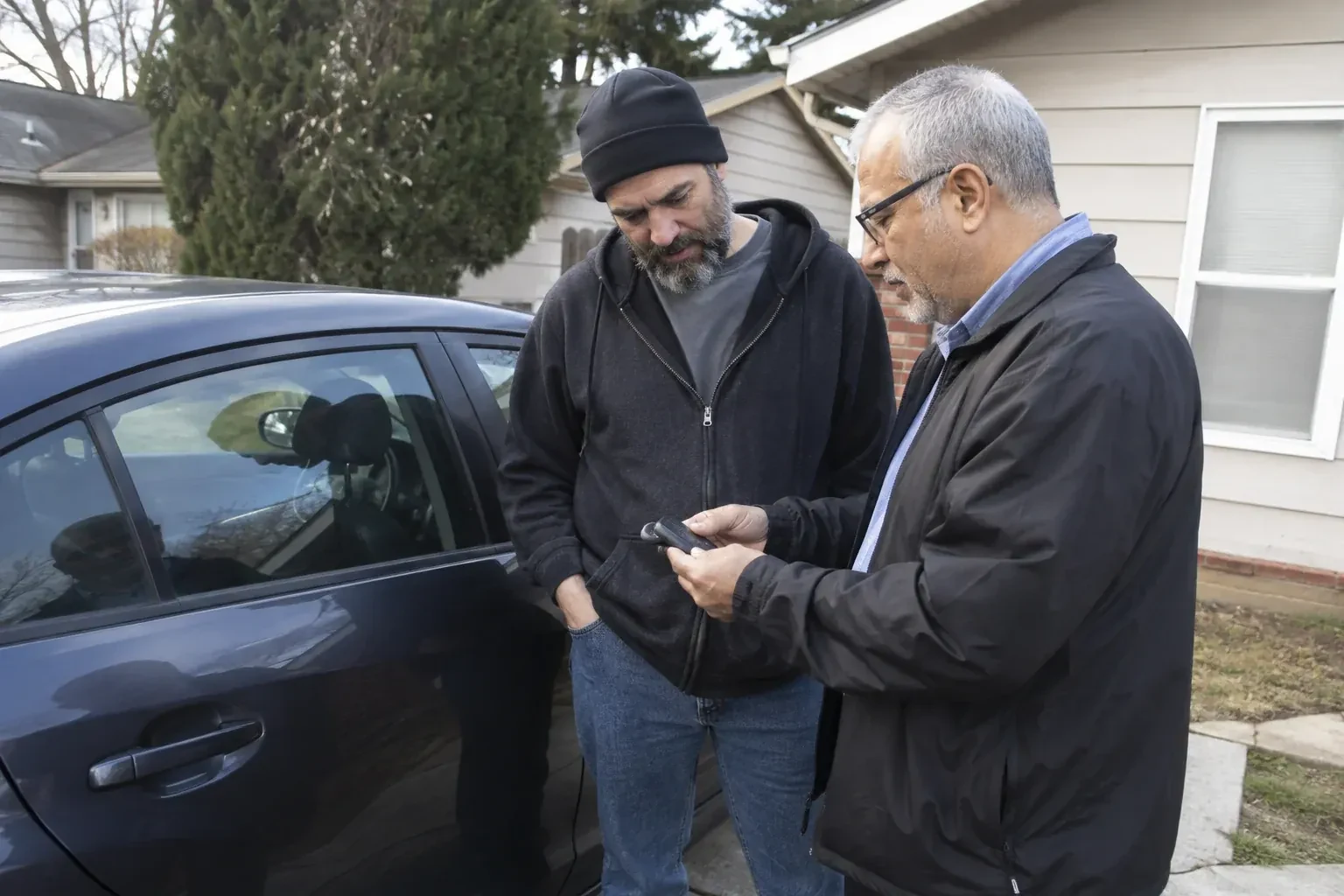
Two adults discussing a key fob beside a parked car. — Car Lockout Service, Toronto

Car keys · Toronto

Car Lockout Service

Your toddler is buckled in the back seat, the doors locked when you shut yours, and your keys are on the front seat beside your phone. It is hot, the child is starting to fuss, and you need help this minute, not a discussion.

In plain words

When the keys are truly gone, a car lockout call becomes two jobs in one visit. The first is entry, done without marking the car. The second is a key that works. The locksmith decodes the door cylinder or reads the key code from the vehicle's records with your proof of ownership, cuts a mechanical blade, then programs the transponder chip or fob where the vehicle's own security system supports it. On many vehicles the lost keys can also be erased from the car's memory. Many drivers leave on a key made at the roadside, though some vehicles need dealer credentials or parts and a tow instead.

Sound familiar?Toronto

The call
The rental van came with one key. It went into the door lock, turned partway, and snapped, leaving half the blade in the cylinder and the other half in your hand. The delivery is due, the van is locked, and the rental desk is an hour away.
NextHow the visit goes

Car Lockout Service · Toronto

How the visit goes

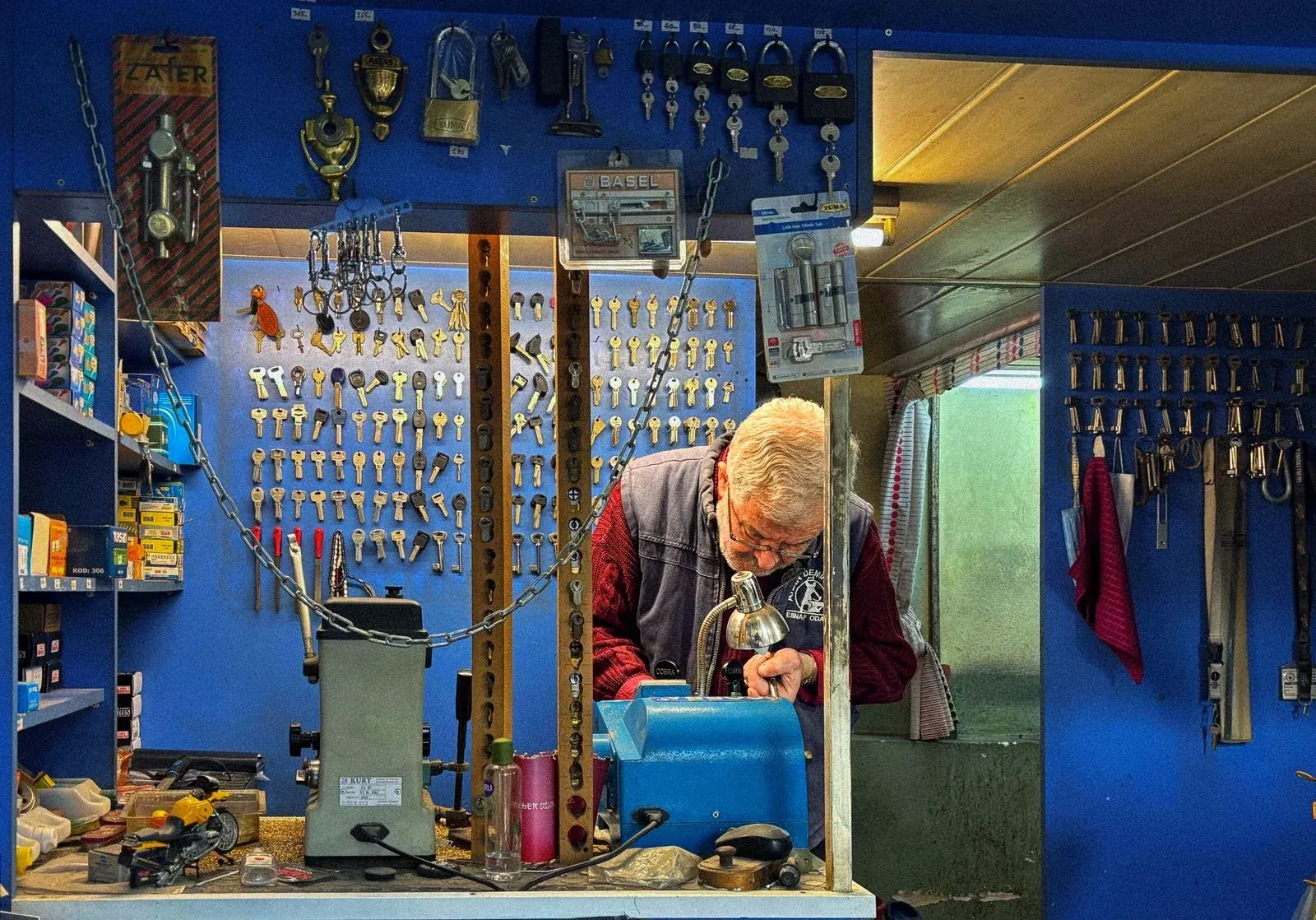
Person leaning over a blue bench machine in a small shop with keys, padlocks and door hardware displayed on blue walls.
  1. Scene 1

    Cold, ice and salt

    In winter the assessment starts with the weather. Frost around a door cylinder, a key that stops partway in, or a door that will not swing even unlocked all point to ice rather than a fault with the lock. Salt crust in a keyway, common on a car parked near a busy road, stiffens the wafers. A fob that worked yesterday and fails on a minus-twenty morning can have a tired coin battery, though radio interference, a flat car battery or fob damage produce the same symptom and are checked too. The locksmith checks these so the opening is de-icer, warmth and a fresh battery rather than force, and the car is treated after to shrug off the next freeze.

  2. Scene 2

    Making a key when the keys are gone

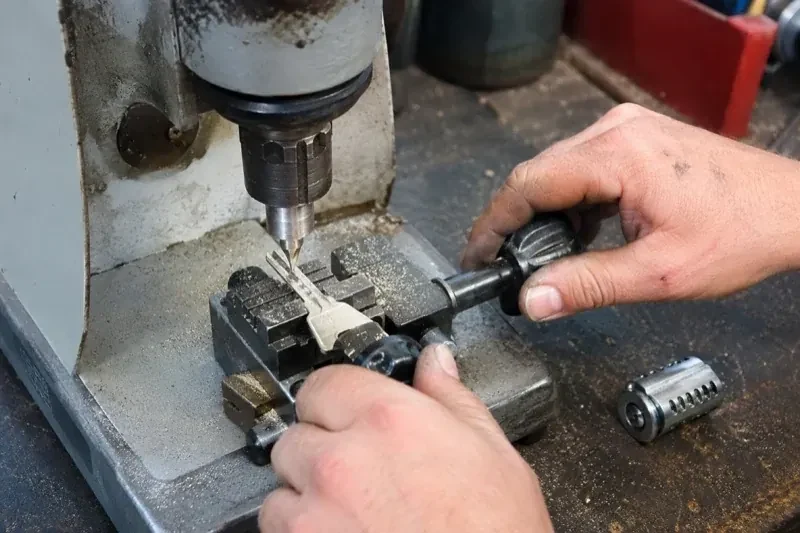
    Lost keys turn the visit into two stages. First the car is opened without damage. Then the locksmith produces a working key: the door cylinder is decoded to read the mechanical cuts, or the key code is drawn from the vehicle's records against your proof of ownership, and a blade is cut on the machine in the van. A transponder key or fob is then programmed where the vehicle's own security system supports it, sometimes needing manufacturer credentials or a different procedure, and where the vehicle allows, the lost keys are erased so they no longer start the car. You leave with a key that unlocks, starts and locks, tested at the roadside.

  3. Scene 3

    Door, glass and seals checked over

    A careful opening leaves nothing to repair, and the last look confirms it. The door edge is inspected where the guards sat, the top of the frame is checked for the faintest bow, the window is run up and down to make sure it tracks cleanly, and the seal is examined for any lift or tear. Anything that was already there before the visit was pointed out at the start and is confirmed now. If a bystander's earlier attempt left a stretched seal or a scuff, the locksmith tells you plainly what it is and what would put it right, so you can decide about it without any pressure.

In the van

  • Broken key extractors
  • Lock de-icer
  • Inflatable air wedge
  • Door-edge guards
  • Twelve-volt jump pack

What shapes the quoteHumberlea Lock Experts

Anything you add while the locksmith is there
Some drivers use the visit to have a spare key made, a worn cylinder serviced or the fob battery changed. None of it is needed to get in; each is offered as a separate choice.
Damage from earlier attempts
A seal stretched by a coat hanger or a cylinder scarred by a screwdriver may need attention beyond the opening. The locksmith points out what was already there before quoting any repair.
Number of keys made
One replacement gets you home; a second cut and programmed at the same time saves a future call. Each key is counted into the quote individually, so say how many you want.

FeesSame any hour

Have it ready

Before you call · 0 / 3

(289) 804-5807

Things people wonder about

Should I call a tow truck or a locksmith?

For keys locked in, lost or broken, a locksmith opens the car where it stands and can usually make a key on the spot, so the car drives away. A tow moves the car to a shop but leaves the key problem unsolved. Roadside clubs send a locksmith for lockouts and reserve towing for cars that cannot be made drivable. If the shoulder is unsafe to work on, a short tow first may be sensible.

How long does a car lockout take once the locksmith arrives?

Confirming identification and looking the car over take a few minutes, and the opening itself is often the shortest part. A wedge-and-reach entry or a picked door cylinder on a common car is a matter of minutes; a frozen lock, a dead car battery or a car with hidden cylinders takes longer. Cutting and programming a replacement key is a separate stage that adds time, and you are given a sense of it before it starts.

My car is in a gated lot or an underground garage. Does that matter?

Only for getting the van to the car. Tell the locksmith how the lot is entered, whether a code, a buzzer or an attendant is involved, and which level the car is on, so nobody loses time at the gate. In a tight garage the locksmith checks there is room to open the door fully and enough light to see the interior switches, and brings a torch if not. The opening itself is unchanged.

Torontoinformation

TorontoOntario

Town
Toronto
In business
13 years
Hours
Open 24/7
Nights, weekends and holidays, same fees
Visits
On-site assessment preferred. Request a visit or call.

2021 census: what it means at the door

Every square is one home in a hundred.

  • 58 in 100 homes · older homes
  • About 58% of homes in Toronto were built in 1980 or earlier, according to the 2021 Census.Where most homes were built decades ago, doors often still carry their original mortise locks and brass knobs. That hardware can usually be cleaned, re-sprung and kept in service, with a modern deadbolt added above it for strength without losing the look.
  • Single-detached houses make up about 23% of homes in Toronto (2021 Census).In a building, a lockout happens in a hallway rather than a porch, and the neighbours notice. A locksmith confirms you belong to the suite, opens the door with the least fuss the lock allows, and leaves the door and cylinder intact for the night.

Source: Statistics Canada, Census Profile

Open Toronto in Google Maps

On-site assessment

Request a visit.

Your toddler is buckled in the back seat, the doors locked when you shut yours, and your keys are on the front seat beside your phone.

(289) 804-5807, open 24/7.