Sound familiar?Princess Anne Manor
- The call
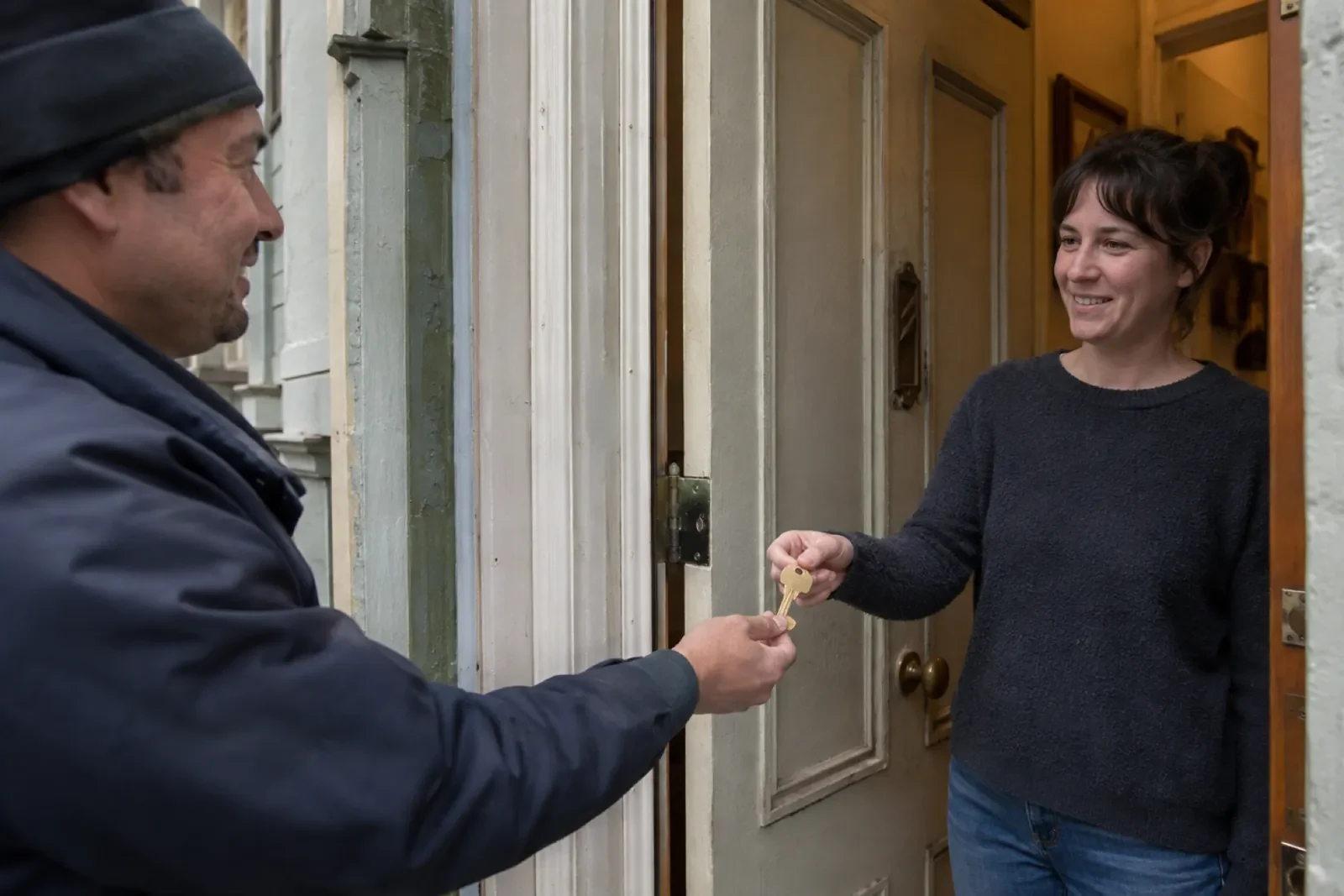
- A roommate tried to help with tweezers, then by gluing the other half to it. The fragment is now further in than it started, there is dried glue around the keyway, and the front door still does not open.
The padlock on the shed has been stiff all summer. Today the key twisted, cracked at the tip, and left the end buried deep in the keyway.
Freezing is one of the bigger seasonal causes of broken keys here. Meltwater runs into the keyway during a thaw and freezes overnight, so the plug is locked in ice, and most people respond by turning harder. The blade gives before the ice does. A winter extraction visit therefore begins with thawing: lock de-icer or gentle warmth frees the plug, then the fragment is drawn out and the cylinder is dried and given the lubricant its maker specifies. You leave with the piece out, a new key cut, and a small tube of de-icer so the next frozen morning is a pause rather than a snap.
Sound familiar?Princess Anne Manor
Broken Key Extraction · Princess Anne Manor
Scene 1
Whether the bolt is thrown changes the order of work. If the door is locked, extraction is the first half and getting you inside is the second; the locksmith plans both so the door is opened with the least fuss once the keyway is clear. If the key broke while you were locking up and the door is open, the priority reverses: the fragment comes out and the door is made secure before anything else is discussed, so you can leave when you need to. On a vehicle the same question applies to the door and, separately, to whether the ignition turns.
Scene 2
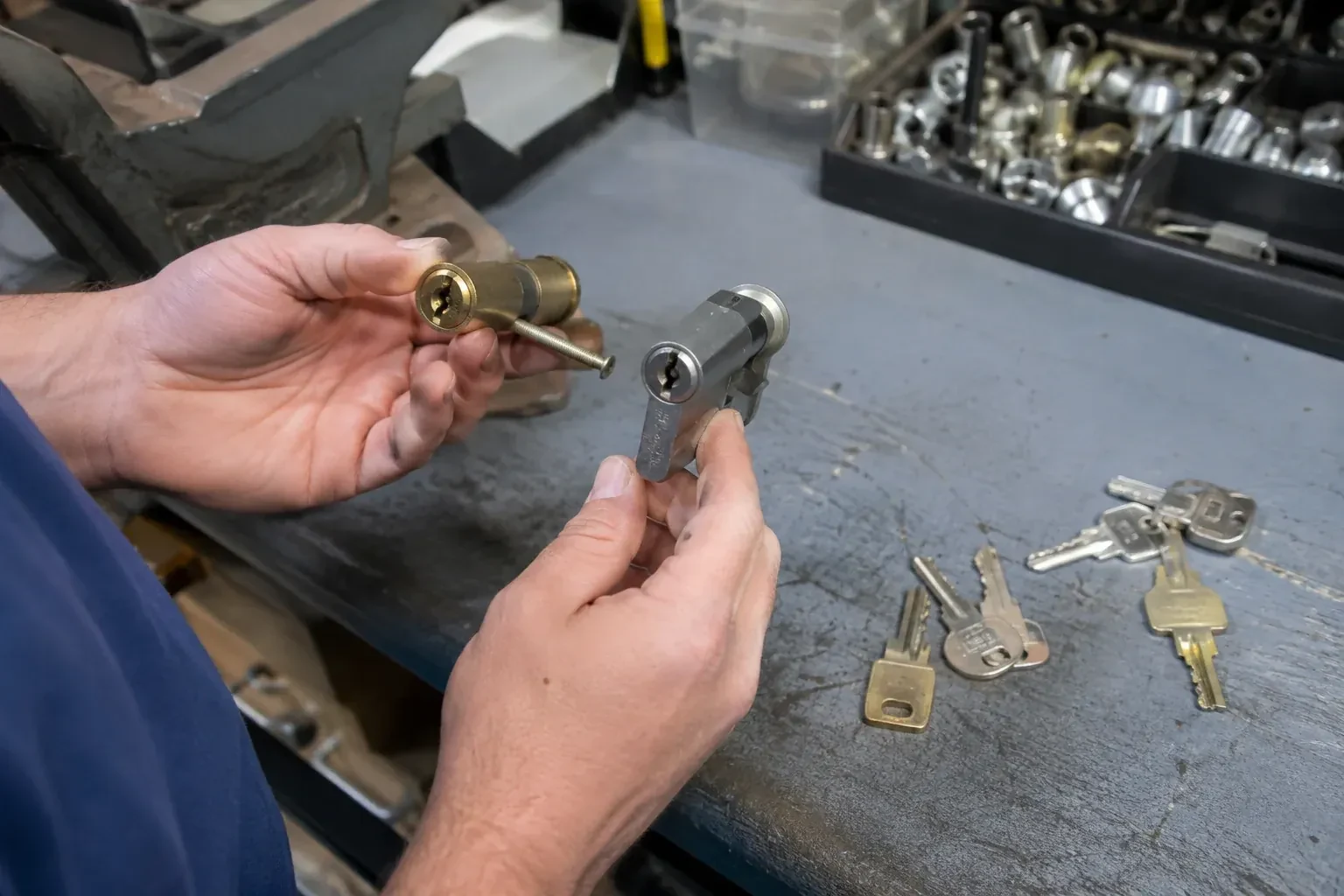
Every keyway has grooves, called wards, that run along its length above and below the blade. A hook extractor is a slim strip of spring steel thin enough to ride in one of those grooves beside the fragment. The locksmith slides it in past the broken piece, rotates it slightly so the barbed tip catches a cut in the blade, and draws it back out in a straight line. The pins are lifted clear as the piece passes them, exactly as they are when a key is withdrawn. It is a patient, felt process, and the cylinder is untouched by it.
Scene 3
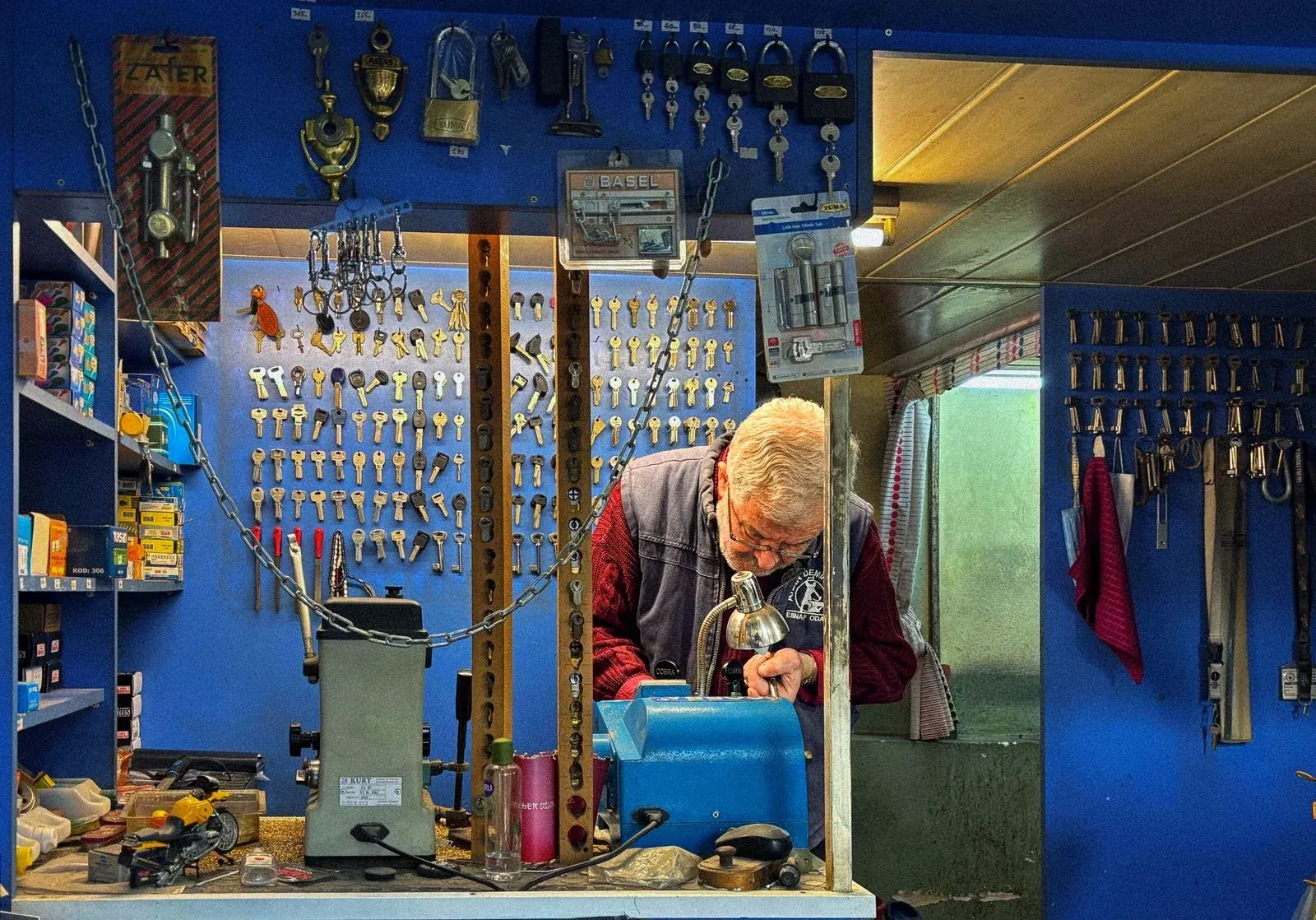
You leave with a key that was cut to the lock's original specification rather than traced from the tired blade that just failed. That difference shows every time you use it: it seats fully, lifts each pin cleanly and turns without a wiggle. Two or three copies made from that fresh cut give you spares that are as good as the first. The old bent or thinning keys that shared the ring are worth retiring now, because a key that has started to bend has started to crack, and the next one to snap will be one of them.
What shapes the quoteHumberlea Lock Experts
FeesSame any hour
Look after the lock and the key ages slowly. Keep the cylinder lubricated with the product its maker specifies and free of grit, and have a binding door adjusted, since resistance raises the risk, though a worn, bent or fatigued key can still fail under normal use. Retire copies that have gone thin or kinked instead of straightening them. Cut spares from code, and rotate them so one key is not doing all the work. Take the ring weight off a car key. Small habits, but they add years.
Photo identification and something that connects you to the lock. For a house or apartment that is a lease, a bill, addressed post, or confirmation from the property manager; for a business, your role there; for a vehicle, the registration or ownership papers with matching identification. If the documents are inside, say so on the phone and the check is completed once the door is open.
Whatever the lock's own maker specifies, since cylinders differ: many call for a dry graphite or PTFE spray blown into the keyway and worked in with the key, once or twice a year, while others prohibit graphite and specify their own product instead. General-purpose oils, grease and sprays feel smooth at first but on most cylinders collect dust and clog the pins, which leads back to the sticking that breaks keys. A little goes a long way; too much of any lubricant can also hold moisture.
TorontoOntario
Broken Key Extraction · Toronto, Fairhaven, Humberlea, Kingsview Village, Martin Grove Gardens, Pine Point, Richview Gardens, St. Phillips, Westmount, Weston
Every square is one home in a hundred.
On-site assessment
The padlock on the shed has been stiff all summer.
(289) 804-5807, open 24/7.
On-site assessment preferred · (289) 804-5807, open 24/7